Monogatari Corporation Breach: 10.79 Million Customer Records Leaked in Japanese Hospitality Incident
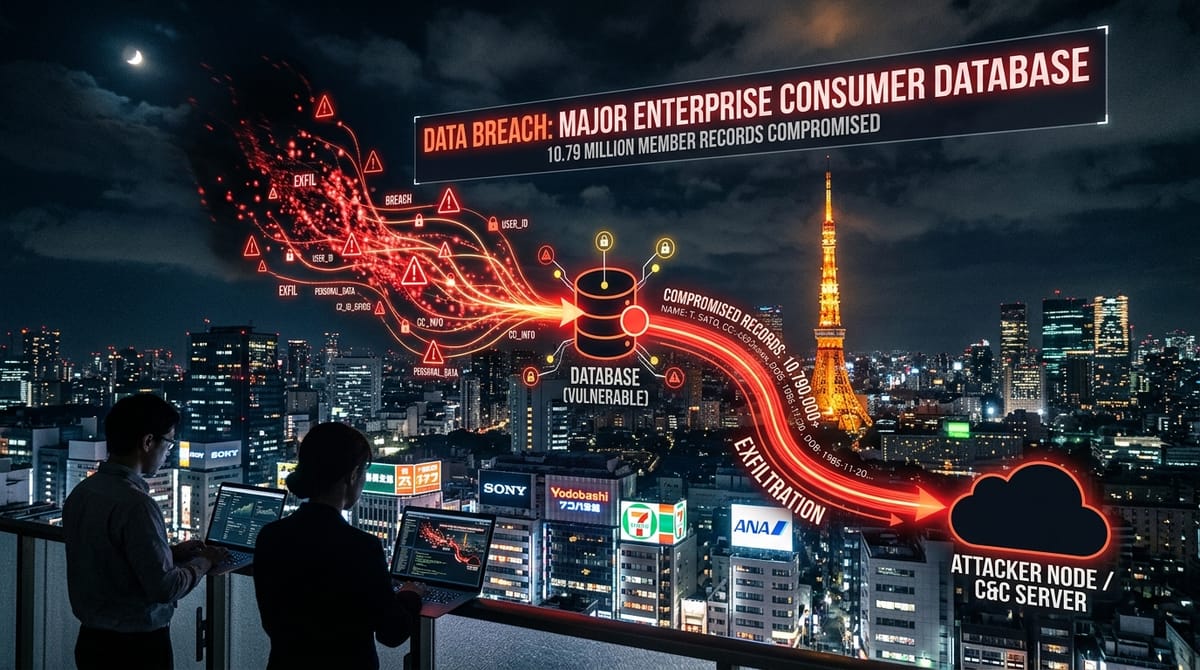
On October 3, 2026, Japanese restaurant conglomerate Monogatari Corporation—headquartered in Aichi Prefecture and famous for operating nationwide restaurant franchises including Yakiniku King and Marugen Ramen—confirmed a catastrophic customer data compromise. Threat actors obtained unauthorized access to the company’s customer relationship and digital membership database, successfully exfiltrating 10,790,000 customer records across Japan.
Scope of Compromised Customer Data
Monogatari Corporation confirmed that the compromised database served its digital loyalty mobile application and reservation portal. The exfiltrated records comprise:
- Customer Full Names (Kanji and Katakana readings)
- Registered Telephone and Mobile Numbers
- Personal Email Addresses
- Member Identification Numbers and Loyalty Points Balances
- Birthdates and Preferred Dining Locations
Crucially, the company stated that passwords, credit card numbers, and banking details were not stored in this specific database partition and were not affected.
Incident Mechanics & Cloud Architecture Flaws
Preliminary forensic findings indicate that during a backend migration of the loyalty platform to a multi-region cloud cluster, an internal staging database replica was provisioned with an overly permissive security group. External scanners identified the open port, allowing threat actors to query and dump database tables without requiring network privilege escalation.
Strategic Impact on Asian Consumer Retail Security
This incident represents one of the largest retail consumer data breaches in Japanese history, coming just as regional cyber syndicates have intensified automated scanning of hospitality and e-commerce APIs across East Asia. The Japanese Personal Information Protection Commission (PPC) has launched a formal regulatory inquiry into Monogatari Corporation’s third-party cloud auditing practices.
Recommendations for Cloud Storage Hardening
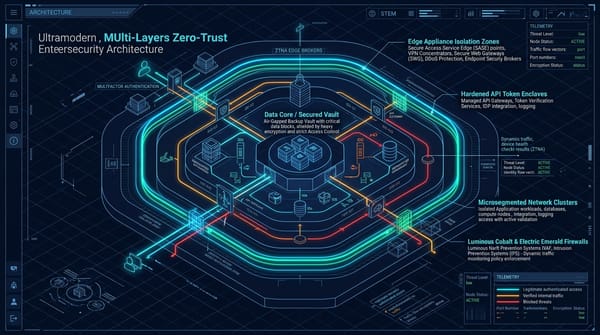
- Enforce Zero-Ingress Security Groups: Database instances (RDS, Aurora, MongoDB) must reside exclusively in isolated private subnets with no public IPv4/IPv6 addresses assigned.
- Automated Posture Management (CSPM): Implement real-time Cloud Security Posture Management tools (e.g., AWS Security Hub, Prisma Cloud) to immediately terminate or isolate any database cluster launched with
0.0.0.0/0ingress. - Phishing Vigilance for Customers: With 10.79 million names, emails, and phone numbers in criminal circulation, targeted SMS phishing (smishing) impersonating restaurant discount coupons is expected to surge.