Hardening Enterprise Perimeters: NetScaler DTLS, SharePoint Farm Isolation, and AI-Resilient Architecture

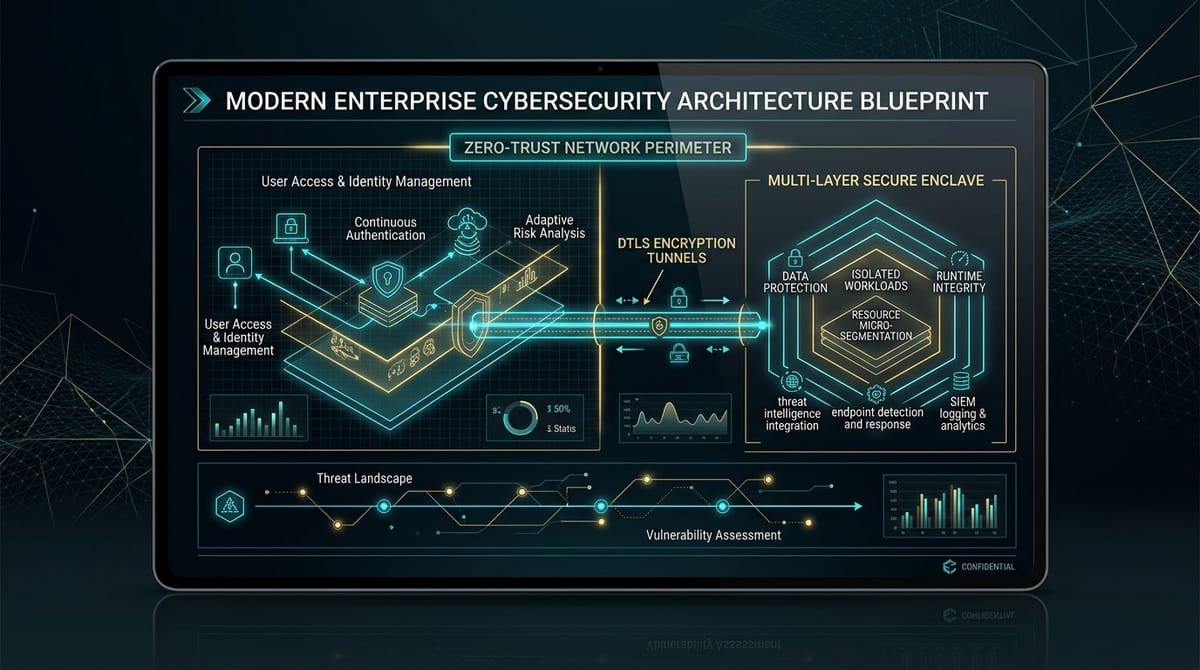
The weekend disclosures of September 26–28, 2026—spanning dual zero-days in Citrix NetScaler, deserialization RCE in Microsoft SharePoint, and AI-accelerated intrusions—make it clear that perimeter edge devices and core identity systems are under unprecedented strain. This comprehensive engineering blueprint outlines architectural controls to eliminate single-point-of-failure vulnerabilities, harden DTLS listeners, isolate application farms, and build AI-resilient defenses.
Architectural Hardening Pillars
1. Citrix NetScaler DTLS & Packet Engine Defense
To defend against vulnerabilities like CVE-2026-88771 and CVE-2026-88772:
- Isolate Management IP (NSIP): Ensure the management interface is physically separated on an isolated VLAN with no default route to the internet.
- Automate Core Dump Monitoring: Configure centralized syslog alerts to trigger whenever
nsppegenerates a core dump in/var/core, signaling possible memory corruption exploitation.
Deactivate Legacy DTLS 1.0: Enforce DTLS 1.2 exclusively, or temporarily disable UDP 443 listeners on public VIPs until hotfixes can be applied:
set vpn vserver "External_Gateway" -dtls OFF2. SharePoint Farm & .NET Deserialization Hardening
To neutralize code injection vectors like CVE-2026-65660:
Perimeter Reverse Proxy (WAF with strict request inspection)
  │ (TLS 1.3 Termination, mTLS Inspection)
  ▼
SharePoint Web Front End (WFE) Enclave
  │ (Restricted IIS AppPool, AMSI Enabled, Read-Only Layouts)
  ▼
Backend SQL Database Cluster (Encrypted at rest, isolated management VLAN)
- Enforce AppPool Least Privilege: Run SharePoint IIS application pools under dedicated Managed Service Accounts (gMSA) stripped of local administrator privileges.
- Lock Down Layouts Directories: Implement file integrity monitoring (FIM) on
_layouts/15to alert on any new.aspx,.ashx, or.dllfiles written to disk. - Enable AMSI Integration: Ensure Windows Defender or third-party EDR AMSI providers are registered in IIS to inspect deserialized .NET script blocks in memory.
3. Resilient Architecture Against AI-Augmented Reconnaissance
As demonstrated in the Adif/Renfe railway intrusion, autonomous AI agents can bypass static request rate limits by varying packet timing deltas and HTTP request headers:
- Behavioral Token Profiling: Deploy API gateways with behavioral anomaly detection that fingerprints client navigation entropy rather than relying purely on IP addresses.
- Mutual TLS (mTLS) for Cross-Agency APIs: Strictly require cryptographically signed client certificates for all inter-organizational data exchange pipes.
- Zero-Trust Network Microsegmentation: Implement micro-perimeters between application front-ends, business logic, and operational technology (OT) networks.
Enterprise Verification Matrix
| System Component | Threat Vector | Architectural Control | Verification Command |
|---|---|---|---|
| Citrix NetScaler | DTLS Buffer Overflow / RCE | CTX697096 Hotfix & DTLS Audit | show vpn vserver "VIP_Name" |
| SharePoint Server | Deserialization Code Injection | September CU & PSConfig Upgrade | (Get-SPFarm).BuildVersion |
| Active Directory | Qilin AI Kill-Scripts | Tier 0 Isolation & Immutable WORM | Get-Service vss,veeam | fl |
| API Gateways | AI-Driven API Probing | mTLS & Behavioral Anomaly Rules | Inspect WAF anomaly logs |