Q3 2026 Threat Landscape Analysis: Ransomware Surge (+61% YoY) and the Strategic Pivot to Pure Exfiltration


Comprehensive cyber threat intelligence telemetry released on October 9, 2026, covering the third quarter of 2026 reveals an unprecedented escalation in ransomware activity worldwide. Attack volumes surged by 27% quarter-over-quarter and jumped an astonishing 61% year-over-year. Beyond raw metrics, the data signals a definitive strategic evolution in adversary tactics: the widespread adoption of encryption-free extortion, driven by rapid cloud-native data theft and AI-automated victim reconnaissance.
The Structural Shift: Extortion Without Encryption
Historically, ransomware syndicates relied on double extortion: encrypting enterprise endpoints to halt business operations while threatening to leak exfiltrated data. In Q3 2026, however, nearly 38% of all confirmed attacks involved zero endpoint encryption.
Adversaries are intentionally bypassing ransomware payloads for several strategic reasons:
- Evasion of EDR & Behavioral Heuristics: Modern Endpoint Detection and Response (EDR) agents excel at detecting high-entropy file writes and mass volume encryption. By eliminating the encryption phase, threat actors maintain persistence undetected for weeks.
- Neutralization of Immutable Backends: Widespread enterprise adoption of immutable cloud backups and zero-RPO snapshots has reduced the leverage of file encryption. Attackers focus entirely on data sensitivity and regulatory liability (GDPR, HIPAA, SEC fines).
- Sub-Second AI-Assisted Exfiltration: Attackers utilize automated toolchains to identify, compress, and exfiltrate high-value intellectual property and customer databases before defenders can triage perimeter alerts.
Syndicate Landscape Breakdown
The threat landscape remains fragmented following major law enforcement disruptions like Operation KillSwitch (KillSec takedown) and the LockBit disruptions:
| Syndicate | Share of Q3 2026 Attacks | Primary Target Sectors | Dominant Attack Vectors |
|---|---|---|---|
| Qilin | 16% | Automotive, Healthcare, Logistics | Edge VPN zero-days, AI Active Directory wipers |
| UmBra | 13% | Finance, Professional Services | Cloud IAM credential theft, SaaS API scraping |
| Incransom | 11% | Education, Government Municipalities | Phishing, unpatched Citrix/Fortinet appliances |
| Other / Independent | 60% | Cross-Industry Enterprise | Initial Access Broker (IAB) marketplaces |
Strategic Recommendations for Enterprise Leadership
- Shift from "Ransomware Recovery" to "Data Loss Prevention": Having clean backups is no longer sufficient to mitigate extortion. Security programs must focus heavily on outbound data egress monitoring, data classification, and DLP enforcement.
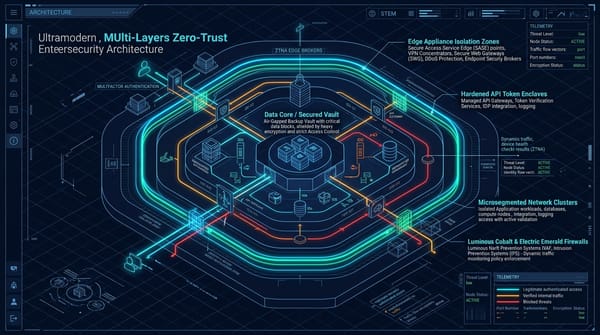
- Implement Micro-Segmentation for Data Repositories: Restrict database and file server access to dedicated network segments. Even if an attacker gains domain administrator credentials, access to production databases should require separate privileged access management (PAM) authorization.
- Establish Out-of-Band Incident Communication: Ransomware groups routinely target corporate Slack, Teams, and email to monitor incident response efforts. Pre-provision out-of-band communication channels (e.g., Signal or dedicated emergency tenants) for executive and technical response teams.