Enterprise Hardening Blueprint: Protecting Edge Gateways, Backup Systems, and Mobile Push Token Pipelines

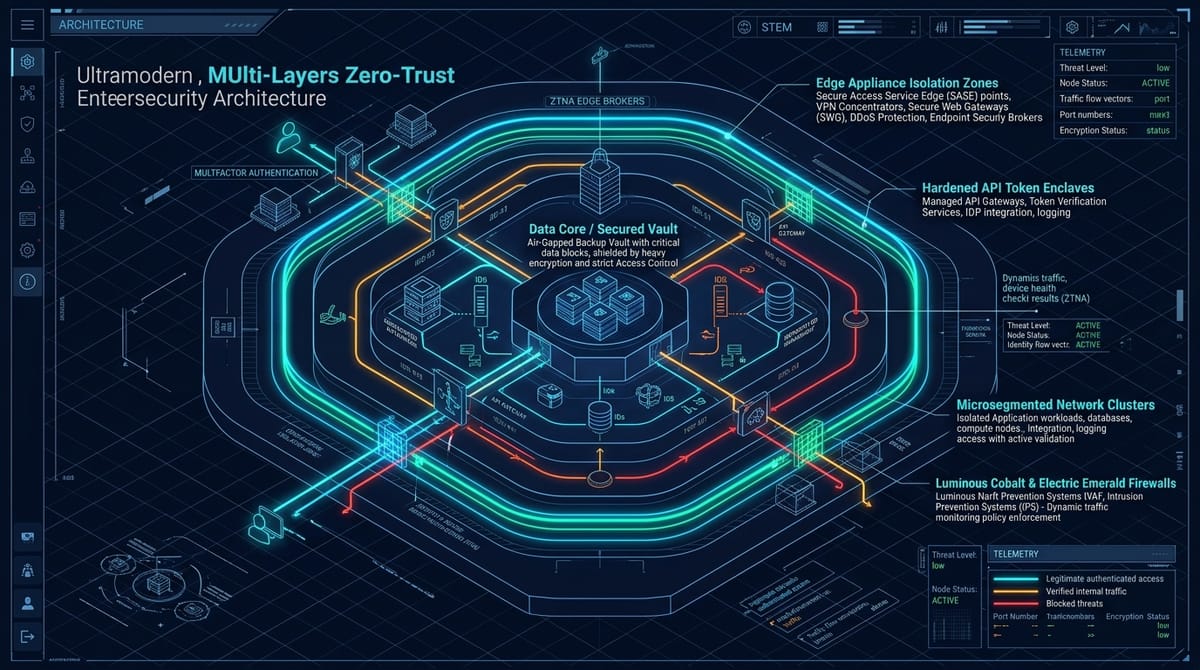
The events of the past seven days highlight three vulnerable layers across corporate infrastructure: edge application gateways (Atlassian, Citrix NetScaler), mission-critical backup infrastructure (AhsayCBS), and third-party customer communication pipelines (ASOS push notification breach). This blueprint provides actionable, production-grade technical controls to eliminate these systemic risks.
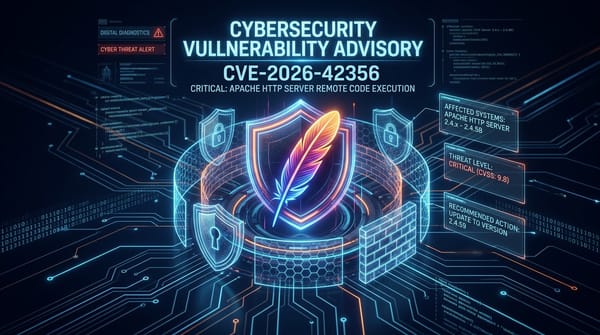
Architecture 1: Hardening Edge Application Proxies Against Path Traversal (CVE-2026-21589)
To shield on-premises Atlassian instances and web applications from colon-based path traversal sequences at the reverse proxy layer, deploy the following Nginx ingress rule to reject malformed resource paths before they reach backend application pools:
# Nginx Ingress Rule: Block Atlassian Path Traversal (CVE-2026-21589)
location ~* ^/.*(::|%3a%3a).*$ {
    access_log /var/log/nginx/blocked_traversal.log;
    return 403 "Blocked: Invalid path delimiter sequence detected.";
}

# Strict normalization of double slashes and encoded dots
merge_slashes on;
if ($request_uri ~* "(../|..\|%2e%2e)") {
    return 403 "Blocked: Directory traversal attempt.";
}
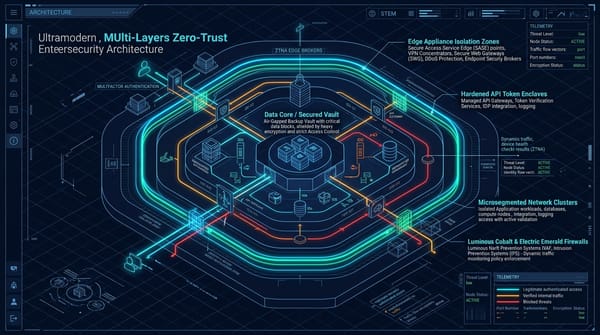
Architecture 2: Isolating Backup Servers from Production Networks (AhsayCBS Defense)
Backup servers should never be exposed to the public internet or placed in general server subnets. Implement an air-gapped management enclave architecture:
External Internet ──► [Strict Firewall: Deny Port 80/443/8080/8443 to Backup Subnet]
                              │
                              ▼
[Corporate Workstations] ──► [Privileged Access Workstation (PAW) + WireGuard VPN]
                              │
                              ▼ (MFA Enforced)
               [Isolated Backup Management Enclave]
                              │
                   ┌──────────┴──────────┐
                   ▼                     ▼
          [AhsayCBS Primary]     [Secondary Air-Gapped Vault]
          (No outbound Internet  (Write-Once-Read-Many WORM)
           access except DNS)
Enforce PowerShell constrained language mode and block suspicious child processes spawned by web services via Windows Defender Exploit Guard (ASR rules):
# Enable Windows Defender Attack Surface Reduction (ASR)
# Block executable content from email client and webmail
Add-MpPreference -AttackSurfaceReductionRules_Ids D4F940AB-401B-4EFC-AADC-AD5F3C50688A -AttackSurfaceReductionRules_Actions Enabled

# Block process creations originating from PSExec and WMI commands
Add-MpPreference -AttackSurfaceReductionRules_Ids D1E49AAC-8F56-4280-B9BA-993A6D77406C -AttackSurfaceReductionRules_Actions Enabled
Architecture 3: Securing Customer Communication & Push Notification Gateways
The ASOS incident demonstrated that third-party customer engagement tools often possess disproportionate authority to communicate with users. Apply the following zero-trust controls across mobile push pipelines:
- Dual-Custody Campaign Approvals: Configure the customer engagement SaaS (Braze, Airship, Firebase) so that no notification can be dispatched to more than 5,000 users without approval from two distinct corporate administrators.
- Hardware MFA (FIDO2) Enforcement: De-authorize all SMS, TOTP, and push-based MFA for SaaS administrator accounts. Require physical hardware security keys (FIDO2 WebAuthn).
- Network Geofencing for Administrative Consoles: Where supported, restrict SaaS administrative console logins strictly to authorized corporate egress IP ranges or SASE tunnel IPs.
- Tokenized PII Synchronization: Never synchronize unencrypted customer phone numbers, home addresses, or financial data into marketing engagement platforms. Pass exclusively pseudonymous internal user UUIDs.
Defensive Engineering Summary
| Vulnerability / Vector | Primary Architectural Control | Verification Command / Test |
|---|---|---|
| Atlassian File Read (CVE-2026-21589) | Reverse proxy double-colon URI filter | curl -I "https://atlassian.corp/s/batch/cp/::WEB-INF/web.xml" (Verify HTTP 403) |
| NetScaler SAML Overflow (CVE-2026-107406) | Firmware upgrade 14.1-73.46 / 13.1-64.29 | show version / inspect samlAction |
| AhsayCBS RCE Chain (CVE-2026-105133/134) | Isolate management port from public internet | nmap -p 80,443,8080 <public-ip> (Verify Port Closed) |
| Push Notification Hijacking | Dual-custody approval & FIDO2 hardware MFA | Audit push campaign dispatch approval logs in SaaS console |