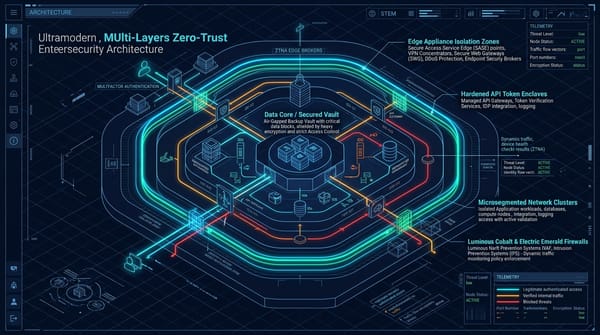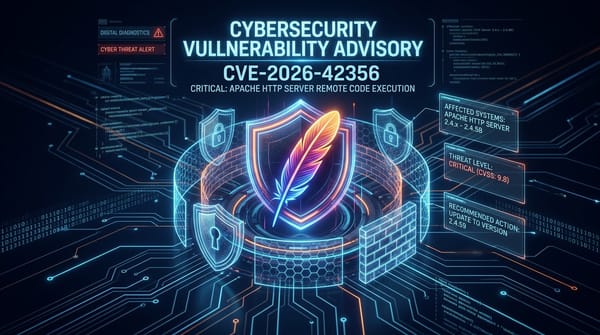
Hardening Against Autonomous AI Threats: Edge Appliances, API Authorization & Identity Enclaves

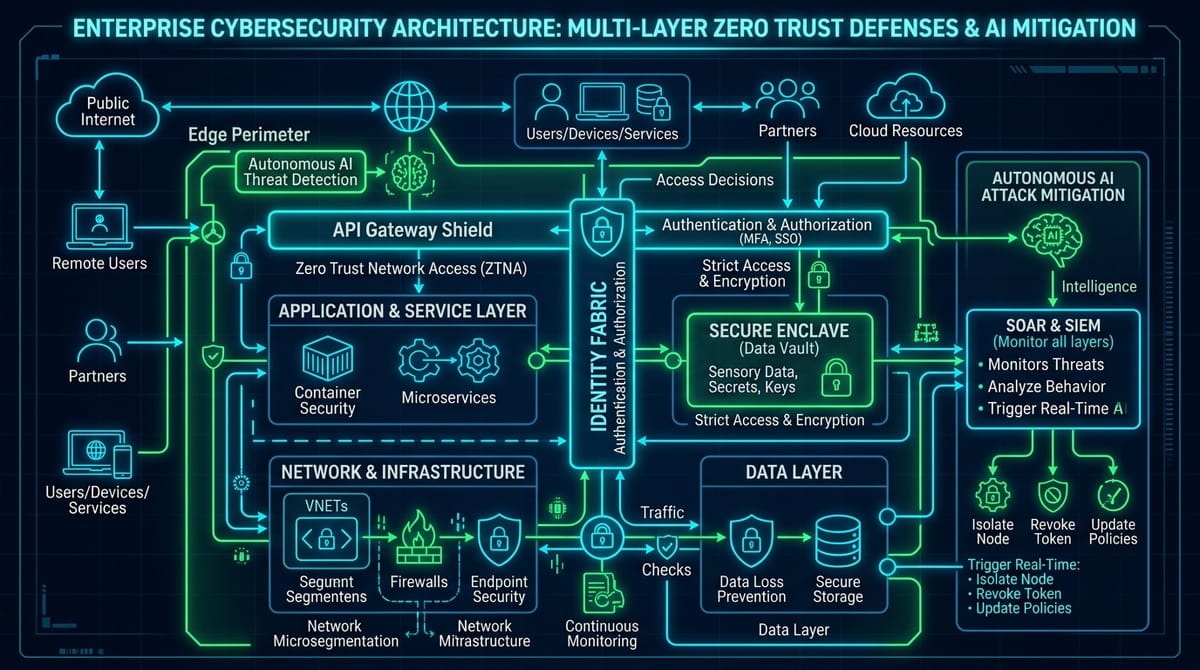
The threat landscape of late September and early October 2026—characterized by sub-second autonomous AI exploit chains (DIVD), edge gateway zero-days in Fortinet and Cisco, and systemic IDOR vulnerabilities across cloud SaaS—demands a fundamental transformation in enterprise defensive architecture. Traditional perimeter models and human-paced incident response can no longer keep pace with automated threat execution. This comprehensive engineering blueprint outlines architectural controls to build AI-resilient defenses, harden edge appliances, and enforce zero-trust identity enclaves.
Architectural Hardening Pillars
1. Countering Autonomous Agentic AI Exploits
When autonomous AI agents can chain zero-days and escalate to root in under four seconds, passive monitoring fails. Organizations must transition to active, autonomous defense controls:
Autonomous AI Defense Architecture
  ┌─────────────────────────────────────────────────────────────┐
  │                    External Ingress Traffic                 │
  └──────────────────────────────┬──────────────────────────────┘
                                 │
                                 ▼
  ┌─────────────────────────────────────────────────────────────┐
  │ 1. Behavioral Micro-Rate Limiting & Fingerprinting Engine    │
  │    Detects sub-second programmatic multi-endpoint probing   │
  └──────────────────────────────┬──────────────────────────────┘
                                 │
                                 ▼
  ┌─────────────────────────────────────────────────────────────┐
  │ 2. Ephemeral Sandbox Isolation (Zero Local Sudo / Chroot)   │
  │    Service users locked with seccomp, AppArmor, eBPF filters│
  └──────────────────────────────┬──────────────────────────────┘
                                 │
                                 ▼
  ┌─────────────────────────────────────────────────────────────┐
  │ 3. Automated Zero-Latency Containment Circuit Breaker       │
  │    eBPF drops network socket upon abnormal syscall sequence │
  └─────────────────────────────────────────────────────────────┘
- eBPF Runtime Syscall Enforcement: Deploy tools like Cilium and Tetragon to monitor kernel syscalls in real time. If a web application process (e.g.,
zammadorapache) spawns a shell or attempts to access/etc/shadowor modify cron files, terminate the process namespace immediately. - Strict Outbound Deny Policies: Enforce default-deny egress filtering on all application workloads. Application servers should never possess arbitrary internet access to download payloads or communicate with external LLM orchestration backends.
2. Edge Appliance Security (Fortinet, Cisco, Citrix)
Network edge appliances remain the primary target for initial compromise. Enforce the following defense baseline:
- Management Plane Decoupling: Under no circumstances should administrative interfaces (SSH, HTTPS web consoles, API management ports) be exposed to the public internet. Require out-of-band management networks or client-certificate-authenticated zero-trust network access (ZTNA).
- Reverse Proxy URI Normalization Strictness: Ensure edge reverse proxies and WAFs reject ambiguous URI encodings (such as double encoding, hex encoding, or mixed case traversal sequences) before passing requests downstream.
- Automated Firmware Verification: Schedule daily integrity scans comparing appliance binary hashes against vendor-published golden images to identify unauthorized web shells or backdoors.
3. Eliminating IDOR / BOLA in Multi-Tenant Cloud SaaS
The FELG Dent compromise illustrates how missing authorization gates allow single accounts to harvest entire databases. Secure API design requires systematic object-level validation:
// Secure: Tenant ownership is strictly enforced at database layer
async function getPatientRecord(req, res) {
  const { tenantId } = req.user; // Extracted from verified JWT session
  const { patientId } = req.params;

  const record = await prisma.patient.findFirst({
    where: {
      id: patientId,
      clinicId: tenantId // IMMUTABLE TENANT CONSTRAINT
    }
  });

  if (!record) {
    return res.status(404).json({ error: 'Record not found' });
  }
  return res.json(record);
}
Summary of Weekly Engineering Directives
| Target Domain | Vulnerability Vector | Architectural Defense | Verification Method |
|---|---|---|---|
| Mail Appliances | Path Traversal / Null Byte | Disable IBE & Isolate Admin Ports | config system encryption ibe -> get |
| SD-WAN Controllers | URI Hex-Encoding Bypass | Upgrade to 20.9.10.1+ & Audit Proxy | Inspect serviceproxy-access.log |
| Autonomous AI Attackers | Sub-Second Exploit Chaining | eBPF Real-Time Kill & Zero-Egress | Deploy Tetragon / Cilium telemetry |
| Multi-Tenant APIs | IDOR / BOLA Record Harvesting | Mandatory Tenant Scoping in ORM | Automated BOLA DAST testing |
| Cryptocurrency Hot Wallets | Third-Party Token Compromise | Hardware MPC Quorums & Air-Gap Enclaves | Independent cryptographic key audit |