Bitget $387.5M Security Breach: Third-Party Zero-Day and Hot Wallet Risk Analysis

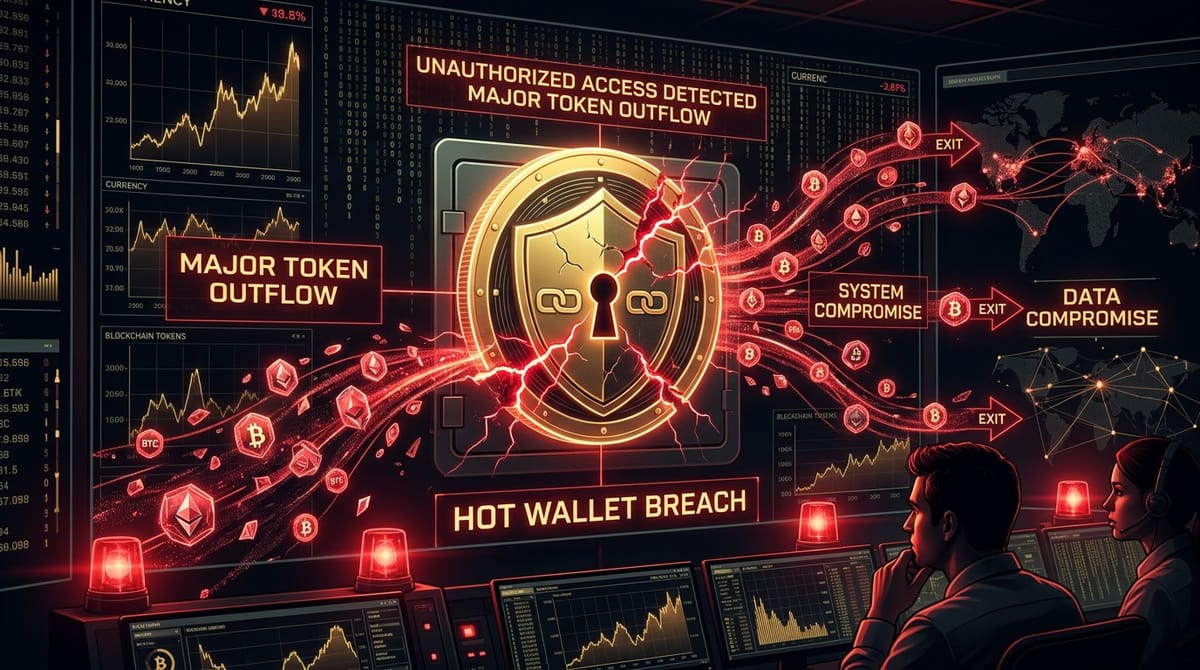
Between September 24 and October 2, 2026, cryptocurrency exchange Bitget navigated the fallout of a massive security intrusion resulting in the unauthorized transfer of $387.5 million in digital assets. Joint forensic assessments conducted by Mandiant and SlowMist revealed that attackers exploited a zero-day vulnerability in third-party enterprise security software to acquire high-privilege credentials, allowing them to bypass automated withdrawal risk-engine verifications across 11 distinct blockchains.
Attack Anatomy: Bypassing the Withdrawal Verification Engine
Cryptocurrency exchange infrastructure separates assets into deeply isolated "cold" offline vaults and automated "hot/warm" operational wallets designed for user withdrawals. Bitget enforced automated policy rules limiting hot wallet outflows via a dedicated risk management service. The attackers compromised this defense layer through a sophisticated multi-stage operation:
Bitget Intrusion Kill-Chain
  ┌─────────────────────────────────────────────────────────────┐
  │ 1. Zero-Day Exploitation of Third-Party Security Software   │
  └──────────────────────────────┬──────────────────────────────┘
                                 │
                                 ▼
  ┌─────────────────────────────────────────────────────────────┐
  │ 2. Exfiltration of Internal Service Tokens & Signing Keys   │
  └──────────────────────────────┬──────────────────────────────┘
                                 │
                                 ▼
  ┌─────────────────────────────────────────────────────────────┐
  │ 3. Injection of Spoofed Administrative Approvals            │
  │    (Bypassing Automated Anti-Fraud / Velocity Limit Rules)  │
  └──────────────────────────────┬──────────────────────────────┘
                                 │
                                 ▼
  ┌─────────────────────────────────────────────────────────────┐
  │ 4. Batch Withdrawal Execution across 11 Blockchains         │
  │    ($387.5M drained to mixer contracts and bridge hops)     │
  └─────────────────────────────────────────────────────────────┘
By compromising the intermediate signing container, the threat actors injected valid cryptographic signatures into automated withdrawal requests. Because the requests appeared internally signed and authorized by security controllers, hot wallet daemon nodes processed the transfers without triggering velocity alert thresholds.
Asset Recovery & Protection Fund Activation
- $464M User Protection Fund: Bitget activated its self-funded $464 million reserve fund to ensure 100% solvency and guarantee that user balances remained unaffected.
- Asset Freezes: In coordination with stablecoin issuers Circle and Tether, approximately $1.1 million in USDT/USDC was promptly blacklisted on-chain.
- Service Resumption: Following full credential rotation, architecture re-audits, and container isolation, Bitget progressively restored deposits and withdrawals, achieving full normal operations by October 2, 2026.
Institutional Web3 Defense Mandates
- Multi-Party Computation (MPC) with Quorum Thresholds: Eliminate single points of compromise by mandating that hot wallet withdrawals require distributed threshold signatures across physically disparate hardware security modules (HSMs).
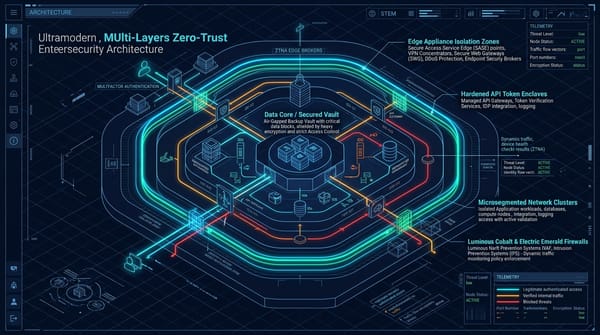
- Out-of-Band Risk Engine Isolation: Withdrawal risk verification engines must run on isolated, air-gapped enclaves with cryptographic attestation, ensuring that third-party software compromises cannot forge transaction clearances.
- Supply Chain & Third-Party Vendor Auditing: Strictly isolate vendor management software within dedicated network micro-segments with zero direct visibility into private key infrastructure.