Casio Computer Hit by Underground Ransomware: 200 GB Exfiltrated in Supply Chain and Operations Interruption


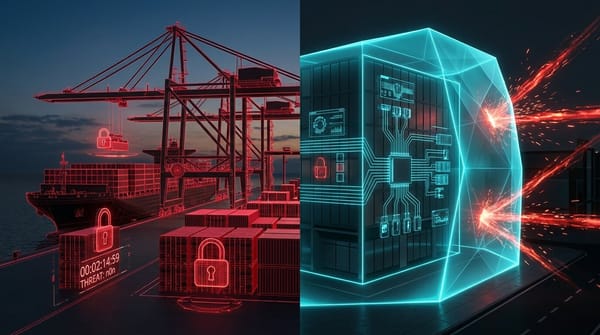
On October 5–11, 2026, Japanese electronics titan Casio Computer Co. confirmed a major cyberattack that crippled core administrative networks, paralyzed shipment scheduling, and resulted in the unauthorized exfiltration of over 200 gigabytes of sensitive corporate and personal records. The attack was claimed by the Underground ransomware group, an emerging extortion collective known for deploying double-extortion tactics against manufacturing and technology firms. While Casio successfully preserved the isolation of consumer cloud platforms, the breach caused substantial disruption to business operations and exposed thousands of employee and business partner identities.
Attack Timeline and Operational Impact
- October 5, 2026: System administrators detect abnormal server shutdowns and file encryption across on-premises headquarters networks in Tokyo. Internal communications, invoice generation, and logistics routing systems are taken offline.
- October 7–8, 2026: Casio establishes an emergency crisis management committee alongside external forensic specialists. Product deliveries and shipment scheduling across Japan face severe delays as warehouses transition to manual processing.
- October 10, 2026: The Underground ransomware gang posts Casio on their dark web leak portal, publishing directory trees and sample documents proving possession of 200 GB of confidential data.
- October 11–12, 2026: Casio officially confirms the data theft, discloses notifications to Japanese regulators (PPC), and announces that it will not negotiate or pay ransom demands.
Scope of Compromised Data & Enclave Segregation
Casio's forensic audit confirmed that the data exfiltrated by Underground impacted approximately 8,478 individuals:
| Category | Count | Exposed Information |
|---|---|---|
| Employees & Staff | 6,456 | Full names, employee IDs, home addresses, phone numbers, tax identification data, performance appraisals |
| Business Partners | 1,931 | Corporate affiliations, contact details, bank wire instructions, copies of identity verification cards |
| Direct Customers | 91 | Delivery addresses and product order sheets for specialized instrument installation services |
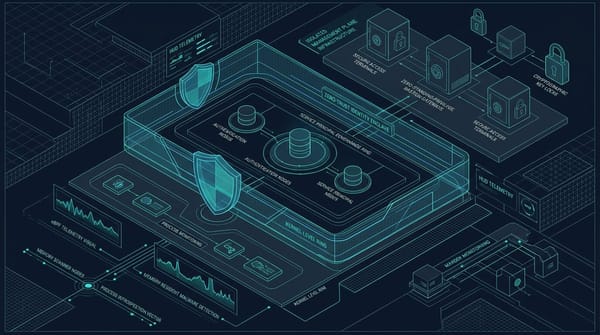
Critically, Casio demonstrated the value of robust cloud enclave segregation: public-facing customer platforms, including CASIO ID and the educational mathematics ecosystem ClassPad.net, were hosted on separate, isolated cloud infrastructure and were entirely unimpacted by the on-premises corporate ransomware intrusion.
Underground Ransomware Mechanics & TTPs
Threat intelligence indicates that the Underground ransomware group leverages custom Windows encryptors compiled in C/C++ alongside heavy PowerShell automation. Their typical kill chain involves:
- Initial Ingress: Exploitation of exposed VPN/RDP portals or spear-phishing with malicious PDF attachments.
- Privilege Escalation & Defense Evasion: Execution of
vssadmin delete shadows /all /quietand disabling Windows Defender via PowerShell registry modifications. - Data Staging & Exfiltration: Deployment of rclone or mega-cmd to stage compressed RAR archives to mega.nz or decentralized storage before executing the encryption binary.
Detection Telemetry & Threat Hunting
rule Underground_Ransomware_Artifacts {
    meta:
        description = "Detects Underground ransomware payload strings and ransom note markers"
        author = "ColibriSec Threat Intel"
        date = "2026-10-12"
    strings:
        $s1 = "All your files have been encrypted by Underground" ascii wide
        $s2 = "Do not try to decrypt your data without our private key" ascii wide
        $s3 = "Underground_Recovery.txt" ascii wide
        $hex1 = { 8B 45 ?? 83 C0 10 89 45 ?? E8 ?? ?? ?? ?? 85 C0 74 12 }
    condition:
        uint16(0) == 0x5A4D and (2 of ($s*) or $hex1)
}
Remediation & Lessons Learned
- Cloud vs. Corporate Segregation: Maintain complete cryptographic and network separation between corporate IT infrastructure and customer cloud application environments.
- Immutable & Offline Backups: Ensure enterprise ERP and logistics databases maintain air-gapped, immutable write-once-read-many (WORM) backups to survive enterprise ransomware encryption.
- Credential Hygiene for Partners: Restrict partner wire instructions and financial documents within zero-trust document vaults requiring stepped-up biometric authentication.